
Blog · Buying Guide
Elevate Your Brand With a Leading Custom PVC Patches Manufacturer
Bulk orders shouldn't be a gamble — choose a custom PVC patches manufacturer that delivers flawless quality, on time, every time, no drama. Learn the 5-step vetting process, material fundamentals, and express production tactics.
Published August 5, 2026
Introduction
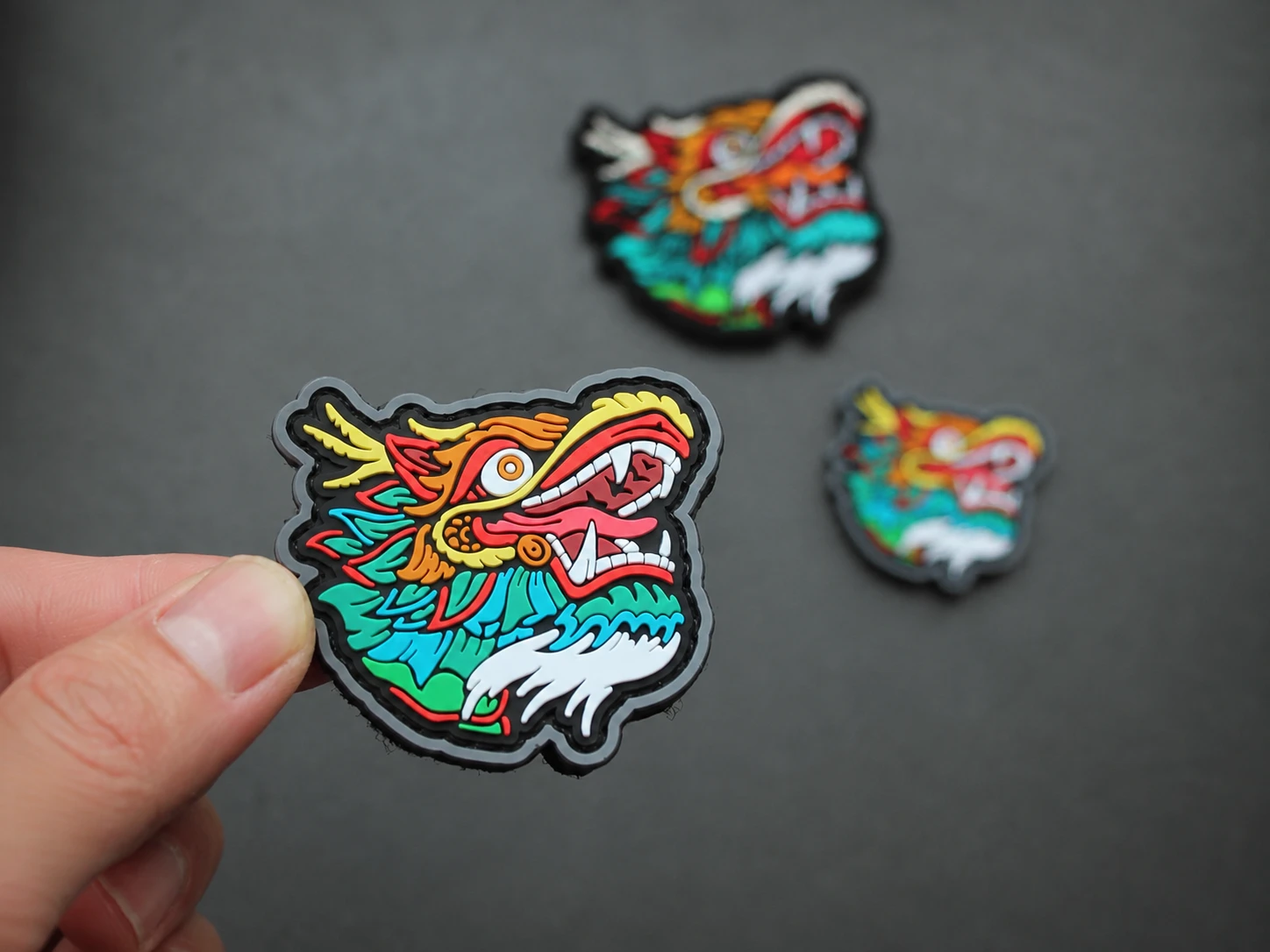
A custom PVC patches manufacturer can make or break your brand presence when bulk orders hit real-world use. IBISWorld reports steady demand for durable branded accessories, highlighting consistency and supply reliability as decisive factors. When your brand's reputation rides on every patch that reaches a customer, choosing the right production partner isn't just procurement — it's brand protection.
Whether you are sourcing PVC patches for outdoor gear, tactical equipment, streetwear collections, or corporate merchandise, the manufacturer you choose determines whether your patches arrive on time, look sharp, and hold up under real-world conditions. Choose a partner delivering consistent quality, on-time production, and brand-ready results across every order.
This guide walks through a practical five-step vetting process for evaluating a custom PVC patches manufacturer, explains how material choices affect durability and appearance, and shows how the right production workflow can deliver express turnaround without sacrificing quality.
Quick Answers for Custom PVC Patch Manufacturer Excellence
Before diving into the full evaluation framework, here are the four cornerstones of a reliable PVC patch manufacturing partnership:
- Define Your Needs: Clarify application areas and customization features — shapes, colors, backing options — to align production with your branding goals before requesting quotes.
- Material Match: Choose durable PVC types, textured or flexible, with embossed or debossed finishes and the right gloss or matte look based on your end-use environment.
- Process Precision: Verify expertise in mold creation, injection molding, color matching, curing, and finishing techniques for consistent results from sample to bulk.
- Quality & Delivery: Ensure adherence to UV resistance, abrasion testing, and environmental standards, plus streamlined supply chain, lead times, and global shipping capability.
5 Steps to Vet a PVC Patches Manufacturer
Choosing a solid custom PVC patches manufacturer isn't guesswork — it's about matching your application goals with real-world quality and delivery. Here's a grounded way to sort hype from actual capability without wasting time or budget.
Step 1 – Define Your Application and Customization Features
Before contacting any custom PVC patches supplier, get clear on what you actually need. The more specific your requirements, the more accurate the quotes you'll receive — and the easier it becomes to compare manufacturers on equal footing.
Start with your core intent. Is this for uniforms, promotional giveaways, or outdoor gear? Are you building brand identity or producing patches for resale? The application determines everything from material formulation to edge finishing.
Map out your visual build. Consider the shape — custom die-cut outlines, logo contours, or geometric forms. Think about size: a small badge for a cap requires different tooling than a large back patch for a jacket. Lock in your color specifications early, including any Pantone matches or gradient requirements.
Establish your identity layer. Vector artwork files produce the cleanest mold results, and consistency across SKUs matters when you are producing multiple patch designs under one brand. A reliable custom PVC patch maker will ask these questions upfront, not after quoting. If a manufacturer jumps straight to pricing without clarifying your application, consider it a warning sign.
Step 2 – Assess Material Quality and Patch Characteristics
Not all PVC is the same. The material formulation directly affects how your patches feel, flex, and survive in the field.
Material stack fundamentals. Soft PVC offers flexibility for apparel applications where patches need to move with the fabric. Rigid PVC delivers durability for tactical gear, luggage, and hard-use environments. Surface texture — matte, gloss, or rubberized — changes both the visual impact and the tactile experience.
Performance factors. Your end-use environment dictates the durability requirements. Patches for sports teams and uniforms need to survive frequent washing. Outdoor gear patches face UV exposure and temperature extremes. Wearable patches require flexibility without cracking.
Build specs that matter. Thickness, edge finishing, and backing adhesion all contribute to the final product quality. Here is how key material specifications map to real-world use cases:
| Metric | Low | Mid | High | Use Case |
|---|---|---|---|---|
| Thickness (mm) | 1.5 | 2.5 | 4.0 | Tactical / heavy-duty |
| Flex Score | Rigid | Balanced | Soft | Apparel / wearables |
| UV Hours | 200 | 500 | 1,000 | Outdoor equipment |
| Abrasion Cycles | 1,000 | 5,000 | 10,000 | Heavy-use gear |
A seasoned PVC patch manufacturer will align material specs with your application rather than overselling unnecessary features. Ask to see material samples and spec sheets — not just finished product photos.
Step 3 – Review Core Manufacturing Processes
The production chain tells you more about a manufacturer than any sales conversation will. Understanding the core processes helps you evaluate whether a factory can deliver consistent quality at scale.
The production chain starts with molding. Cavity precision in the mold determines how faithfully your design is reproduced. Tooling quality affects both the initial sample and every subsequent reorder. Ask about mold lifespan and revision policies — a manufacturer that invests in quality tooling produces fewer defects over time.
Floor reality matters. Modern, well-calibrated machinery produces tighter tolerances and more consistent color layering. Techniques for multi-color registration, gradient blending, and fine-detail reproduction separate experienced manufacturers from novices.
Output control ties it all together. Fabrication consistency from sample to bulk is the true test. If your manufacturer shows you mold proofs and color chips early in the process, that's a strong positive signal. If they hesitate to share production floor details, keep looking.
Step 4 – Verify Industry Quality Standards
Quality control documentation separates professional PVC patch manufacturers from unreliable suppliers. In B2B production, what gets documented gets delivered consistently.
Compliance tells the story. Look for adherence to recognized standards like REACH and CPSIA — these are table stakes for any manufacturer serving international markets. Certification records should be current and verifiable, not vague references.
Testing should be systematic. UV resistance testing, abrasion resistance measurement, and skin-contact safety verification should all be part of the standard quality protocol. Ask how often testing is performed and whether you can see sample reports.
Deloitte's 2025 global sourcing brief noted: "Suppliers that document repeatable testing and compliance see 30–40% fewer returns in branded merchandise programs." A dependable custom PVC patches manufacturer will document their quality program, not just promise results. If you're still comparing suppliers, our guide on how to select the right custom patches manufacturer walks through a detailed evaluation framework.
Step 5 – Evaluate Supply Chain and Logistics Efficiency
Even the best-manufactured patches have zero value if they arrive late or damaged. Supply chain and logistics capability is a core part of manufacturer evaluation — not an afterthought.
Map the flow. Supply chain visibility should extend from raw material sourcing through finished goods packaging. A manufacturer that understands their own supply chain can give you accurate lead times and proactive updates when variables shift.
Assess movement. Shipping options should include air freight, sea freight, and express courier depending on your timeline and budget. Customs preparation and documentation handling are essential for international buyers — a manufacturer with global delivery experience saves you headaches at the border.
Verify control. Realistic lead time estimates with clear buffers beat optimistic promises every time. Tracking clarity throughout transit means you always know where your order stands.
Here is a quick gut check for evaluating logistics capability:
- Does the manufacturer quote with firm dates, not ranges?
- Do they provide proactive updates rather than waiting for you to ask?
- Can they scale production slots during peak demand periods?
That's how a PVC patches manufacturer earns repeat orders — by delivering on time, every time, no drama. For buyers managing larger programs, our custom patches bulk order guide covers production planning, MOQ strategy, and inventory management in depth.
Which Custom PVC Patches Materials Matter Most?
Picking the right materials for PVC patch production isn't just technical detail — it shapes how your patches feel, last, and pop visually. Understanding the fundamentals helps you make informed decisions rather than relying on manufacturer recommendations alone.
PVC Material Fundamentals and Durability Insights
PVC material is built from a polymer composition tuned for specific material properties — primarily flexibility and durability. The formulation can be adjusted to favor different characteristics depending on the application.
Performance layers determine real-world survival. The outer shell of a well-formulated PVC patch boosts weather resistance, while inner density supports chemical resistance against oils, solvents, and cleaning agents. High-grade PVC handles friction without surface degradation and maintains its shape under physical stress.
Lifespan depends on formulation. Custom PVC patch manufacturer teams like KaKa Patches fine-tune polymer blends so patches don't crack in cold weather or fade under extended UV exposure. When evaluating manufacturers, ask about their material formulation process — the answer reveals whether they truly control quality or simply assemble components.
Rubberized Texture vs. Flexible Material Comparison
Texture and flexibility are not the same thing, and choosing between them depends entirely on your end use.
Rubberized texture provides a strong tactile feel with grippy surface characteristics. It reads as rugged and substantial — ideal for tactical gear, outdoor equipment, and industrial applications where grip matters as much as appearance.
Flexible material offers high pliability and elasticity with a smooth hand feel. It conforms to curved surfaces and moves with fabric — perfect for apparel, hats, bags, and any application where the patch needs to flex without lifting.
A quick breakdown by application:
- Tactical gear and hard-use products → rugged grip, rubberized texture
- Apparel and soft goods → smooth comfort, flexible formulation
A solid custom PVC patch manufacturer balances both properties depending on use, and should be able to recommend the right formulation for your specific application.
Embossed Details and Debossed Details Explained
3D effects are one of PVC patches' biggest advantages over other patch types, and understanding embossed versus debossed detailing helps you specify exactly what you want.
Embossed details create raised effects — the design elements sit higher than the background, producing a bold 3D appearance that catches light and draws attention. This technique works well for logos and designs where you want the primary elements to pop forward.
Debossed details create recessed effects — the design is pressed into the material, producing subtle visual depth with a more understated premium feel. Debossing excels for text-heavy designs, intricate patterns, and applications where a refined look matters more than high contrast.
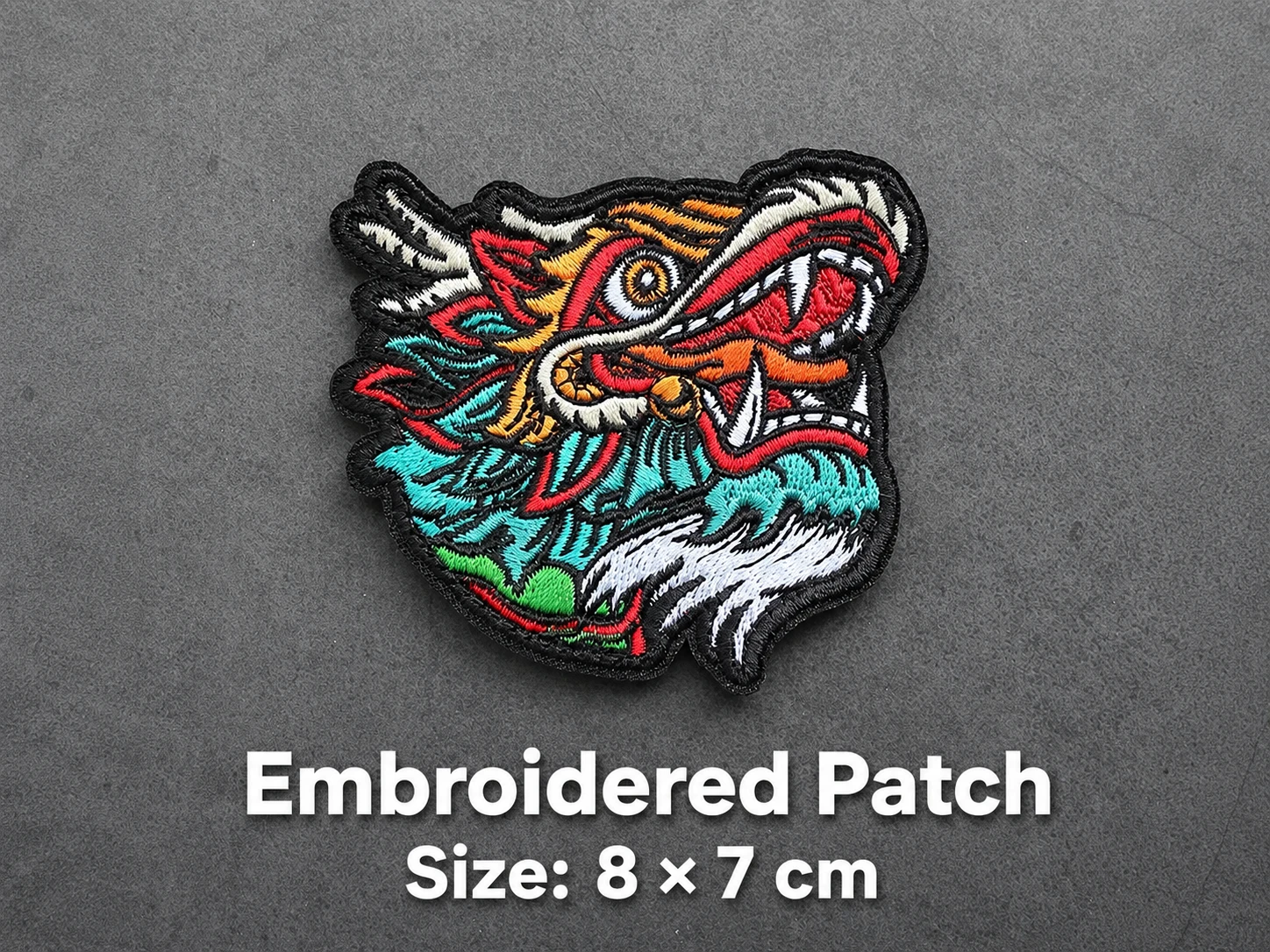
The process used by experienced PVC patch maker teams follows three key stages: mold shaping to create the relief geometry, layer pressing to transfer the design, and detail finishing to clean edges and verify depth consistency. KaKa Patches often combines both embossed and debossed elements in a single patch for sharper, more dimensional branding.
Matte Finish or Glossy Finish: Which Stands Out?
Surface finish changes everything about how a PVC patch reads visually — and the right choice depends on context, not personal preference.
Matte finish produces low surface sheen with a non-reflective look. It photographs well without glare, reads as modern and understated, and works especially well for tactical, outdoor, and industrial branding where subtlety signals quality.
Glossy finish creates high light reflection with a bright, shiny appearance. It commands attention on retail shelves, pops in photos, and gives patches a polished, high-energy feel suitable for streetwear, promotional merchandise, and consumer-facing branding.
The decision flow is straightforward:
- Tactical or professional vibe → matte finish
- Retail visibility and brand energy → glossy finish
A custom PVC patches manufacturer like KaKa Patches helps match finish with real-world use, not just aesthetics — because a patch that looks great in the approval photo but reads wrong in the field is a missed opportunity.
Faster Turnaround? Express PVC Patches Production
Tight deadlines don't have to compromise quality. A reliable custom PVC patch manufacturer can move fast without cutting corners by syncing design, tooling, and logistics into a cohesive accelerated workflow. With smart scheduling and clean processes, even rush orders feel manageable.
Rapid Prototyping and Mold Creation
The biggest time savings in PVC patch production happen at the front end. A well-structured prototyping and mold creation process trims days from the overall timeline without affecting final quality.
Design iteration starts digitally. Digital rendering provides quick previews before any physical tooling is created. 3D modeling ensures depth accuracy and lets you visualize the patch from multiple angles before committing to production. This stage alone can prevent costly mold revisions later.
Prototype fabrication validates the design. A sample set gives you something tangible to approve — touch it, flex it, see how light plays on the surface. This step is non-negotiable for quality assurance, but the best manufacturers turn samples quickly by running them on production-grade equipment rather than separate prototyping setups.
Mold engineering determines production speed. Tooling development with cavity tuning enables faster injection cycles without sacrificing fill quality or detail reproduction. Short iteration loops with fewer revisions separate experienced manufacturers from beginners.
A seasoned custom PVC patches manufacturer trims days here. KaKa Patches aligns art files and molds early in the process, so approval cycles don't drag and production can begin sooner.
Streamlined Injection Molding and Curing Process
Clean production flow is the engine of fast turnaround. When injection, cooling, curing, and ejection are balanced, the line runs continuously without bottlenecks.
Automation keeps the pace. Automated molding systems maintain steady throughput, while precisely tuned material injection ensures consistent fill and color across every cavity. Curing chambers calibrated for the specific PVC formulation lock in durability without over-processing.
Here is how a balanced injection molding cycle breaks down for PVC patch production:
| Step | Time (min) | Output / hr |
|---|---|---|
| Injection | 2.5 | 24 |
| Cooling | 3.0 | 20 |
| Cure | 4.0 | 15 |
| Eject / Reset | 1.5 | 30 |
With cycle optimization and process automation, a custom PVC patch maker hits consistent volume without generating defects that trigger rework. The key metric isn't just speed — it's yield rate at speed. For a deeper look at how production timelines work in practice, see our custom patches fast turnaround guide.
Accelerated Quality Control and Finishing Techniques
Speed without quality control is just fast failure. The best manufacturers build QC into every stage of the accelerated production line rather than inspecting at the end.
Quality assurance runs in parallel with production. Automated visual inspection catches defects as they occur, not after a full batch is complete. Visual checks by trained operators provide a second layer of verification for color accuracy, edge quality, and surface finish.
Finishing is integrated, not appended. Trimming, deburring, and backing application happen immediately after curing — patches move continuously from mold to finished product without staging or waiting. Adherence testing and defect detection confirm every piece meets spec before packaging.
Tight checks with quick passes — this is the hallmark of a custom PVC patches manufacturer that builds QC into the line. The result is fewer rejected batches, predictable yield rates, and delivery dates you can count on.
Priority Packaging Solutions and Global Shipping Management
The final mile of PVC patch production — packaging and shipping — is where express timelines are won or lost. A manufacturer with strong logistics capability protects the speed gains made in production.
- Custom packaging matched to order size — from individual poly-bagging for retail to bulk packing for distribution centers
- Bulk packing optimized for efficiency — reducing dimensional weight without compromising product protection
- Express shipping with comprehensive tracking — real-time visibility from factory floor to your receiving dock
- Logistics coordination for global delivery — customs documentation, duties management, and carrier selection
The DHL Logistics Trend Radar (2025) notes that "end-to-end visibility and routing optimization can cut international delivery times by up to 20%." From packing to customs clearance, KaKa Patches keeps shipments moving with smart routing, fewer delays, and faster arrivals.
PVC Patches Manufacturer: Comparison With Other Patch Types
Understanding how PVC patches compare to other patch types helps you confirm you are choosing the right product for your application — or identify when a different patch type might serve you better.
| Patch Type | Best For | Durability | Detail Level | 3D Capability |
|---|---|---|---|---|
| PVC Patches | Outdoor gear, tactical, streetwear | Excellent — waterproof, UV resistant | Good — not for micro-text | Excellent — embossed/debossed |
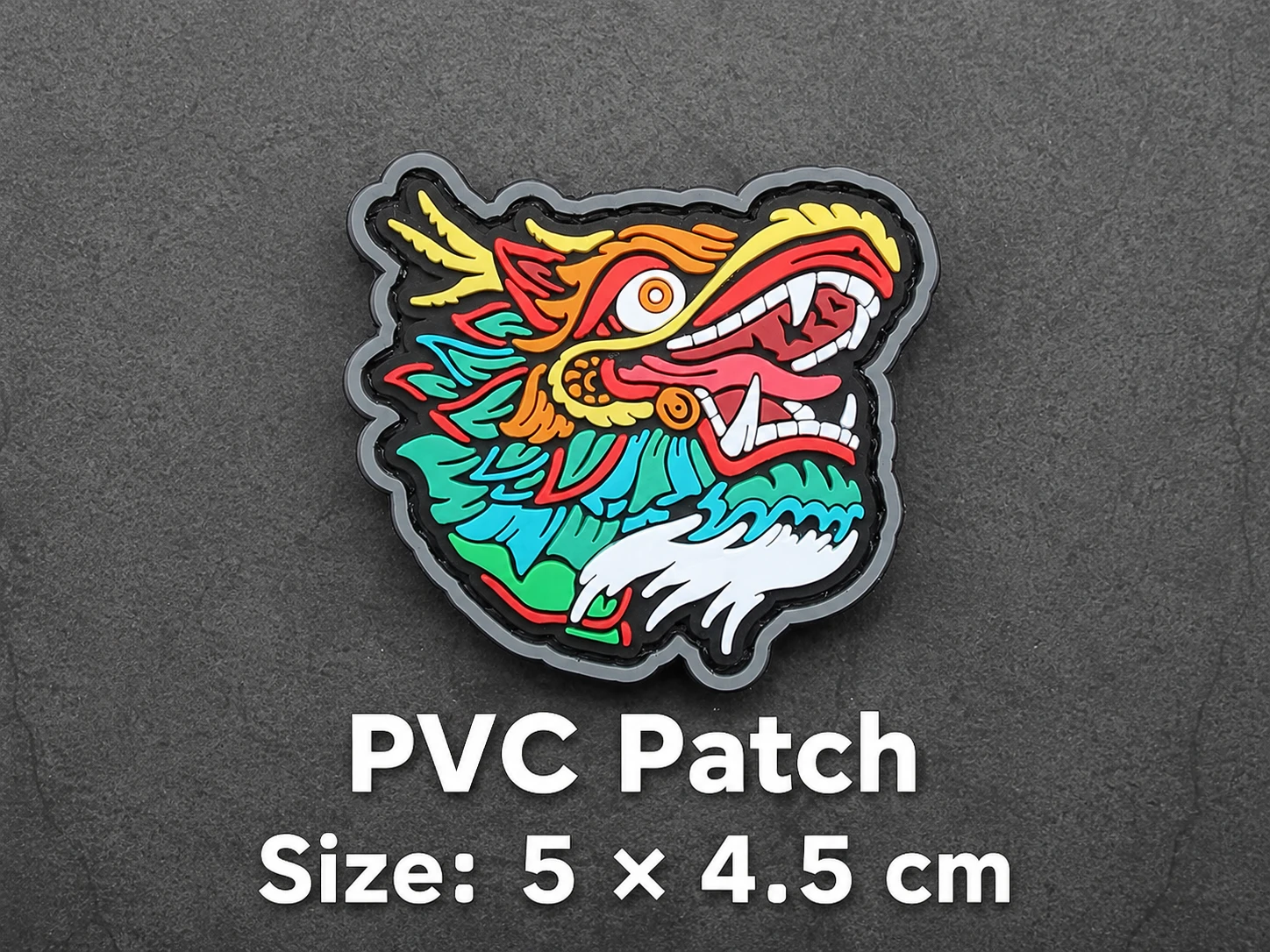
| Embroidered Patches | Uniforms, caps, jackets | Very good — heat and wash resistant | Moderate — thread count limits | Low — inherently flat |
| Woven Patches | Premium labels, fine-detail logos | Good — smoother than embroidery | Excellent — finest detail reproduction | Low — flat surface |
| Chenille Patches | Varsity jackets, fashion, schools | Good — for apparel use | Low — fuzzy texture limits detail | High — thick pile creates dimension |
For applications requiring waterproof durability, 3D visual impact, and rugged outdoor performance, PVC patches are the clear choice. For more guidance on selecting between patch types, visit our custom patch products page or read our guide on how to choose the right patch type.
FAQ
How do I verify a custom PVC patches manufacturer is reliable?
Request material samples and spec sheets, ask about their mold creation and quality inspection processes, verify compliance certifications (REACH, CPSIA), and evaluate their communication responsiveness and clarity during the inquiry stage. A willingness to provide mold proofs and color chips early is a strong positive signal.
What is the minimum order quantity for custom PVC patches?
Standard B2B minimum order quantity is 200 pieces per design. Some manufacturers offer lower MOQs for sampling or small batch production, while larger bulk orders benefit from scaled pricing. Always confirm MOQ and per-unit pricing at your target quantity before committing.
How long does custom PVC patch production take?
Standard production lead time is 2–3 weeks from artwork approval. Express or rush production may reduce this to 1–2 weeks depending on capacity and order size. The mold creation stage has the biggest impact on total lead time — manufacturers that handle tooling in-house typically deliver faster. See our custom patches fast turnaround guide for detailed timeline breakdowns.
What is the difference between embossed and debossed PVC patches?
Embossed details are raised above the surface, creating a bold 3D effect ideal for logos and primary design elements. Debossed details are recessed into the material, producing subtle depth that works well for text and intricate patterns. Many designs combine both techniques for maximum visual dimension.
Which finish should I choose — matte or glossy?
Matte finish suits tactical gear, professional uniforms, and understated branding where a non-reflective, modern look is preferred. Glossy finish works best for retail products, streetwear, and promotional merchandise where high visibility and energy matter. Your manufacturer should help match the finish to your end-use context, not just aesthetic preference.
Can I get a quote before providing final artwork?
Yes. You can submit your basic requirements — patch type, estimated size, quantity, backing preference, and a design concept or reference image — and receive preliminary pricing. Final artwork can be provided later for production confirmation and digital proofing. Use our Request a Quote form to get started.
What backing options work best for PVC patches?
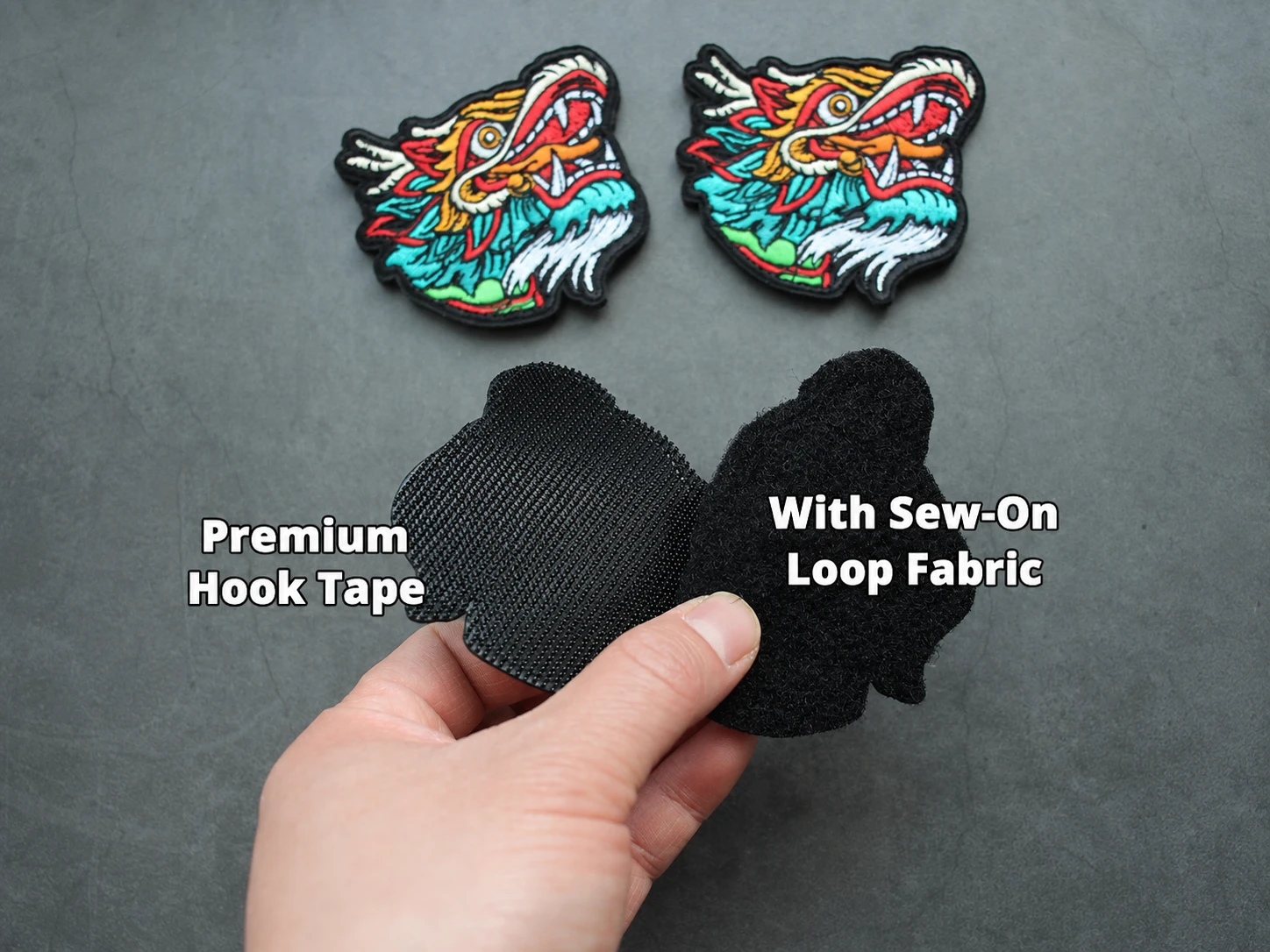
Sew-on backing provides the most durable permanent attachment, especially for heavy-use applications. Velcro backing adds versatility for tactical and interchangeable uses. Iron-on and adhesive backings work for lighter applications but are less common with PVC due to the material's weight. For a complete comparison, see our guide on the best backing for custom patches.
Ready to Partner With a Leading Custom PVC Patches Manufacturer?
KaKa Patches provides factory-direct custom PVC patch production with free artwork review, material consultation, express turnaround options, and clear communication from quote to delivery. Whether you need 200 pieces for a boutique launch or 10,000 for a global brand rollout, we deliver consistent quality, on time, every time.
Need Custom Patches for Your Project?
Upload your artwork and tell us your requirements. Our team will prepare a factory-direct quote.