
Blog · Buying Guide
Simplify Your Branding With a Leading Custom Leather Patches Supplier
When production can't miss a beat, a custom leather patches supplier keeps logos crisp, batches flawless, and deadlines drama-free — scale without chaos.
Published August 7, 2026
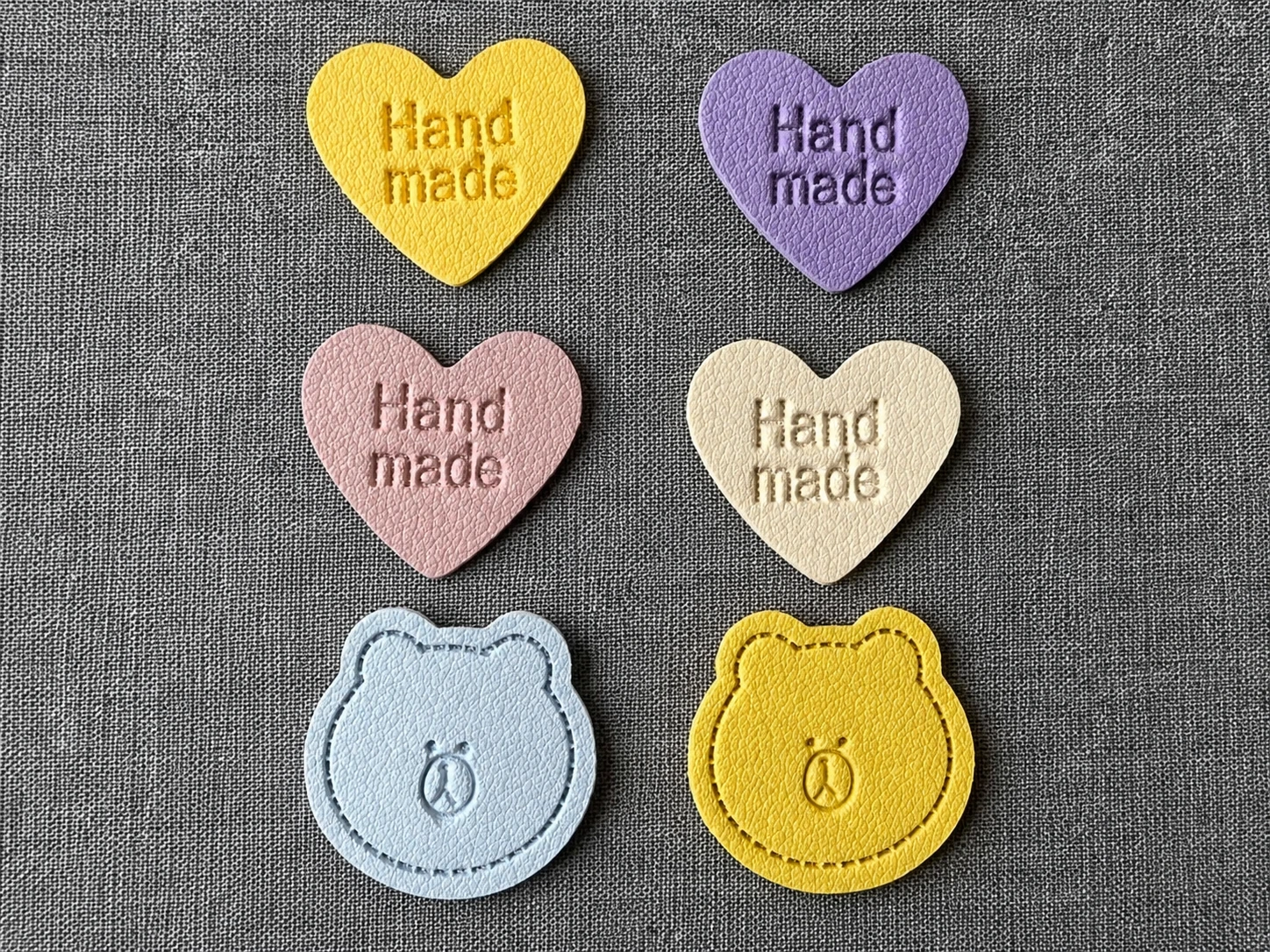
Introduction
Recently, while coordinating product development requirements with brand clients from Germany and France, I noticed something interesting. In the past, simply providing an image or design to a patch manufacturer for production based on that visual was considered "personalized customization" — and that definition was perfectly valid.
However, the impression I get this year is that product design specifications have evolved beyond the basics. Today's clients have clear requirements not only for the patterns themselves but also hold distinct views on everything from material selection to the application of the finished product. For instance, there are now specific functional requirements for patches depending on the intended setting or occasion. For us manufacturers, this undoubtedly raises the bar for complexity and increases production costs.
Yet, I view this as a positive development. It signals that young people — particularly those born in the late 90s and 2000s — prioritize their own individuality and personal preferences rather than simply conforming to the views of the crowd. From this perspective, the product serves as a tangible extension of the brand's philosophy. At KaKa Patches, we look forward to collaborating with more premium clients to develop exceptional products.
Production lines stall when branding slips; a reliable custom leather patches supplier keeps every logo sharp, every batch consistent, and timelines intact, so your products hit shelves without costly do-overs. Pick a partner that nails materials, from full-grain to vegan, dials embossing or laser detail, and offers iron-on, sew-on, or Velcro options, keeping scale smooth and quality steady.
Key Takeaways for a Custom Leather Patch Supplier
- Material Mastery: Choose between full-grain cowhide, vegan leather, or suede based on durability, texture, and brand ethos.
- Process Precision: Compare laser engraving, embossing, and die-cutting for sharp logos, consistent borders, and clean shapes.
- Application Versatility: Ensure options like iron-on, sew-on, adhesive backing, and Velcro for diverse apparel, hats, and bags.
- Reliable Capacity: Verify lead times, sampling ability, and bulk production to maintain timeline integrity and quality control.
Why Choose a Custom Leather Patches Supplier?
Working with a custom leather patches supplier isn't just about getting patches made; it's about dialing in your brand look so it feels consistent, durable, and a bit premium without overcomplicating production or design decisions.
Streamlined Branding with Bulk Production & Sampling
Streamlined branding stays tight when one custom leather patches supplier handles runs at scale. Bulk production keeps sizing and tone locked across hats, bags, and jackets, while a thorough sampling process lets you tweak before committing.
Here's how it flows in practice:
- Request mockups — share your artwork or design concept and receive design consultation
- Approve samples — review material thickness, finish quality, and logo alignment
- Scale with efficient manufacturing — full rollout with brand consistency and production scalability
Production setup starts with material prep and logo alignment. Sample approval covers thickness check and finish review. Full rollout ensures brand consistency and reliable production scalability. A reliable leather patch supplier cuts guesswork, so your drop doesn't feel mismatched.
Tailored Design Assistance for Logo, Shape & Finish
Good design support isn't extra — it's the difference between average and sharp. A custom leather patch supplier helps refine tailored design decisions while keeping your logo customization clean and readable.
Key areas to work through with your supplier:
- Shape tweaks — custom die-cut outlines that match your logo contours
- Border styles — clean, stitched, or raw-edge borders
- Finish options — embossed, debossed, laser-engraved, or foil-stamped
Short bursts of progress make the difference:
- Adjust custom shapes to fit your specific branding dimensions
- Test finish options like embossed vs debossed to find the right depth and texture
- Improve visual appeal through iterative feedback rounds
The process is straightforward: share your concept, get design consultation, and refine aesthetic choices until every detail looks right. Brands like KaKa Patches make this feel less technical, more like a creative collaboration.
Ensuring Quality Control: Full-Grain to Vegan Leather Options
Material choices define how long patches last — and how they age. A solid custom leather patches supplier offers strict quality control with options that fit both rugged and ethical preferences.
Material selection starts with understanding your priorities. Full-grain leather provides maximum durability and rich natural character, aging beautifully over time. Vegan leather offers consistent appearance, lighter weight, and budget-friendly scalability for larger production runs. Suede brings a soft nap and distinct texture that works well for fashion-forward applications.
The testing phase covers colorfastness under washing, wear resistance under friction, and overall material quality verification. Final inspection confirms that material quality and durability standards are met across every piece in the batch.
Multiple quick checks keep things sharp throughout production:
- Texture feel — consistent hand-feel across all pieces
- Edge finish — clean, smooth borders without fraying or roughness
- Color consistency — matching across batches and production runs
KaKa Patches balances premium materials with consistent output, so you're not stuck fixing defects after launch.
How to Choose a Leather Patch Supplier
Picking a custom leather patch supplier shouldn't feel like guesswork. You want clean looks, solid wear, and a partner who actually delivers on time. Here's a straight-talking way to size up materials, methods, capacity, and attachment options.
Review Material Properties: Genuine, Faux & Suede
Each leather type brings distinct characteristics to the table, and choosing the right one depends on your application, budget, and brand positioning.
Genuine leather offers strong durability, rich texture, and natural aging character. The thicker feel suits jackets, bags, and premium accessories where the patch is meant to last for years.
Faux leather delivers consistent appearance with lighter weight and more budget-friendly synthetic materials. It's a practical choice for large production runs where uniformity matters more than natural variation.
Suede brings a soft nap, excellent flexibility, and distinct material character. The trade-off is less water resistance, so it works best for indoor or fashion applications rather than outdoor gear.
Three quick tests your supplier should be able to demonstrate:
- Touch test — check flexibility and edge finish consistency
- Bend test — watch for cracking, especially on faux leather
- Wear test — light abrasion to verify real-life durability
A reliable leather patches supplier like KaKa Patches will sample each type so you can match fabric, wash cycles, and expected lifespan without guessing. For a broader comparison of patch materials, see our guide on how to choose the right patch type.
Compare Manufacturing Processes: Laser Engraving vs Embossing
The manufacturing technique you choose determines the final look, feel, and durability of your leather patches.
Laser engraving delivers sharp precision and fine detailing. It's the go-to choice for logos with small text, intricate patterns, and designs that need pixel-perfect reproduction. The laser burns the design directly into the leather surface, producing a clean, permanent mark.
Embossing creates tactile depth by pressing the design into the leather. The result is a premium surface finish with three-dimensional character. Debossing produces a recessed look — the design sits below the surface for a more subtle, understated effect. Classic embossing raises the design above the surface for maximum visual and tactile impact.
A decision path to guide your choice:
- Logos with small text → choose laser engraving
- Bold marks with tactile feel → pick embossing
- Want a recessed, subtle look → go with debossing
- Want a raised, prominent look → classic emboss
Ask your custom leather patches supplier for side-by-side samples. KaKa Patches typically offers both manufacturing techniques with fast proofs so you can compare before committing.
Evaluate Supplier Capabilities: Lead Time & Customization Options
A supplier's capabilities go beyond the spec sheet — you need to verify what actually happens on the production floor.
Key capability checkpoints:
- Lead time and real turnaround time — compare rush vs standard production schedules
- Customization options — shape cuts, backing types, finish selections, edge paint colors
- Production capacity — can the supplier handle your volume without quality slip?
- Quality control consistency — documented QC processes, not just promises
A practical step flow for evaluating any supplier:
- Request sample → verify sample production speed and quality
- Place pilot order → check defect rate and batch consistency
- Scale up → confirm stable production capacity at higher volumes
A seasoned custom patches leather supplier partner should handle spikes without slipping on QC. KaKa Patches is known for flexible design support and predictable schedules. For more on evaluating manufacturing partners, read our guide on how to select the right custom patches manufacturer.
Test Application Methods: Iron-On, Sew-On & Adhesive Backing
How your patches attach matters as much as how they look. Different applications demand different fastening methods.
Iron-on offers fast installation with decent durability on cotton and cotton-blend fabrics. It's popular for retail apparel and promotional merchandise where quick application is valued.
Sew-on provides the best fastening for heavy use — denim jackets, workwear, bags, and any application that sees frequent washing or physical stress. It's the most durable attachment method available.
Adhesive backing works well for quick trials, event wear, and lighter-duty applications. It offers convenience but less long-term durability than sew-on.
Velcro adds flexibility — patches can be removed and reattached, making it ideal for tactical gear, interchangeable branding, and applications where patch swapping is part of the product concept.
Match application method to your specific use case:
| Fabric / Use Case | Recommended Method |
|---|---|
| Denim jackets, workwear | Sew-on |
| Caps and hats | Sew-on or Velcro |
| T-shirts, cotton apparel | Iron-on |
| Frequent wash items | Sew-on |
| Event wear, short-term use | Adhesive |
Work with your custom leather patch supplier to test application methods across real garments before committing to bulk production. For a deeper look at backing and attachment options, see our guide on the best backing for custom patches.
4 Reasons to Trust Our Supplier
Finding a reliable custom leather patch supplier isn't just about looks — it's about materials, craft, and real-world performance. Here's how a solid leather patch supplier earns that trust, no fluff.
Reason 1 — Premium Cowhide & Full-Grain Materials
Working with a custom leather patches supplier starts at the source — the raw material selection.
Material selection begins with cowhide grades, where top-tier full-grain layers with minimal surface correction produce the strongest leather fibers and most natural material character. A dependable leather patch supplier doesn't over-process. That's the difference you feel right away.
Quality indicators to look for:
- Touch — smooth yet firm quality feel, not plasticky or overly processed
- Look — subtle natural marks confirm genuine origin rather than synthetic uniformity
Full-grain leather develops patina over time, adding character with age rather than degrading. For brands positioning themselves at the premium end of the market, this natural aging becomes part of the product story.
Reason 2 — Precision with Die-Cutting & Hot Stamping
Precision isn't magic; it's a repeatable process built on calibrated equipment and skilled operators.
Die-cutting setup starts with blade calibration — clean, sharp cutting edges produce crisp borders and consistent shapes across thousands of pieces. Hot stamping uses heat and pressure to create crisp imprints, bonding foil or creating depth with controlled force.
Finishing involves checking accuracy and fine detailing on every piece. You'll notice consistent craftsmanship across batches, which matters when scaling production with a custom leather patches supplier. For a comprehensive look at how patches are made from start to finish, see our custom patch order process.
Reason 3 — Versatile Application: Heat Press, Adhesive & Velcro
Different uses demand different attachment styles — simple as that.
Options you'll have access to with a capable supplier:
- Heat press — fast, even application for iron-on patches across large batches
- Adhesive backing — convenient peel-and-stick for quick trials and event merchandise
- Velcro — flexible, removable attachment for tactical gear and interchangeable branding
A good leather patch supplier aligns application methods with real-life use, not just theory. Easy installation leads to fewer production headaches and more consistent results across your product line.
Reason 4 — Proven Durability: Colorfastness, Abrasion & Weather Resistance
Performance shows up over time, not on day one. A patch that looks great out of the box but fades after three washes is a branding liability.
Testing focus areas that separate quality suppliers from the rest:
| Test Type | Cycles / Duration | Result Level | Notes |
|---|---|---|---|
| Wash Test | 30 cycles | High | No fade |
| UV Exposure | 72 hrs | Stable | Minor change only |
| Rub Test | 5,000 cycles | Strong | Surface intact |
| Moisture | 48 hrs | Resistant | No warping |
| Heat | 120°C | Stable | Shape holds |
Colorfastness under washing ensures patches maintain their appearance through regular laundering. Abrasion resistance from friction keeps logos legible on high-contact areas like jacket shoulders and bag exteriors. Weather resistance protects patches in outdoor environments where UV exposure, moisture, and temperature swings are constant challenges.
That's the kind of durability and longevity you expect when choosing a custom leather patch supplier that actually knows its craft.
FAQ
What types of leather are available for custom patches?
Full-grain cowhide, genuine leather, faux (vegan) leather, and suede are the primary options. Full-grain offers maximum durability and natural character, faux leather provides consistent appearance at a lower cost, and suede brings a soft texture ideal for fashion applications.
Which manufacturing process is better — laser engraving or embossing?
It depends on your design. Laser engraving excels at fine detail and small text, producing sharp, permanent marks. Embossing creates tactile 3D depth and a premium surface feel. Many designs combine both techniques. Ask your supplier for side-by-side samples to compare.
What is the best attachment method for leather patches?
Sew-on provides the most durable attachment for heavy-use items like jackets and bags. Iron-on works well for cotton apparel and faster application. Adhesive backing suits short-term and event use. Velcro adds flexibility for interchangeable branding. Your supplier should help you test across your specific fabrics.
How do I verify a leather patch supplier's quality?
Request material samples and spec sheets, verify their sampling and pilot order process, and check lead time reliability. A supplier who can demonstrate consistent quality across small and large orders — and who documents their QC testing — is worth partnering with.
What is the typical lead time for custom leather patches?
Standard production lead time is 2–3 weeks from artwork approval. Sampling typically adds 1 week before full production begins. Rush production may be available depending on the supplier's capacity and your order specifications.
Can I get a quote before providing final artwork?
Yes. You can submit your basic requirements — leather type, estimated size, quantity, attachment method, and a design concept or reference image — and receive preliminary pricing. Final artwork can be provided later for production confirmation and digital proofing.
Ready to Partner With a Leading Custom Leather Patches Supplier?
KaKa Patches provides factory-direct custom leather patch production with free design consultation, material sampling, multiple attachment options, and clear communication from quote to delivery. Whether you need genuine full-grain leather patches for a premium brand launch or faux leather patches for a large-scale promotional run, we deliver consistent quality, on time, every time.
Need Custom Patches for Your Project?
Upload your artwork and tell us your requirements. Our team will prepare a factory-direct quote.